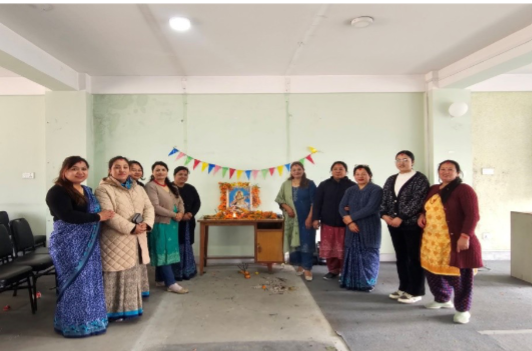
The Proficiency Certificate Level (PCL) Nursing program, initially administered by the Kathmandu Model Hospital School of Nursing (KAMHSON) since 2058 B.S., has amassed an illustrious 18-year legacy, attaining designation as Nepal’s premier nursing institution by 2079 B.S. In accordance with Medical Education Commission (MEC) directives, the program has been integrated into KMHIHS facilities located in Bag bazaar, Kathmandu.
The nursing profession transcends its historical associations with sympathy, empathy, compassion, and dedication, emerging as a progressive discipline responsive to societal health imperatives. Nurses constitute an indispensable element of superior healthcare delivery and patient education, encompassing precise diagnostic support and the cultivation of therapeutic patient relationships essential for recovery.
KMHIHS upholds uncompromising standards in practical training for all enrollees. Graduates are qualified to serve as registered nurses in hospital settings, community health, school health nursing roles, or educators for auxiliary health personnel such as Auxiliary Nurse Midwives (ANMs) and Community Medical Assistants (CMAs).
The program is delivered by a team of highly experienced academic staff, supported by a well-equipped demonstration room furnished with modern instruments that meet the standards set by CTEVT.
Program Overview
PCL Nursing course is based on the job performance requirement of the Staff Nurse at different levels of health care system of Nepal. Therefore, CTEVT designs the PCL Nursing curriculum to develop knowledge, skills, and attitudes among graduates to perform nursing professional practice.
This curriculum is designed with the purpose of producing a middle level technical nursing workforce equipped with knowledge and skills related to the field of nursing so as to meet the demand of such workforce in the country and contribute to the national economic development of Nepal. The knowledge and skills incorporated in this curriculum will be helpful to deliver individual needs as well as national needs in the field of Nursing Profession.
Aim
The program aims to produce a middle level nursing workforce who is independent and competent to assume responsibility to carry out the functions of preventive, primitive, curative, rehabilitative, and holistic care of individuals/groups at hospital and community settings.
Program Objectives
After the completion of this program, the graduates will be able to:
- Utilize a sound knowledge and skills based on providing evidence-based nursing care to well and sick individuals, families and communities.
- Implement preventive and therapeutic measures directed toward prevention, promotion, maintenance and restoration of health.
- Utilize communication skills effectively while communicating with individuals and groups in a variety of settings.
- Apply the nursing process in providing and improving health care.
- Assume leadership role for planning and improving health care.
- Guide and supervise individuals, families and groups including health care workers.
- Collaborate with multi-sectorial groups to develop a healthful environment, including safe drinking water, environmental sanitation and other comprehensive approaches in the community.
- Mobilize the community people to participate in the activities of the community to improve their quality of life.
- Demonstrate a positive attitude and respect for cultural values and health practices in working to meet needs and solve problems.
- Continue to seek new knowledge for personal and professional growth.
- Seek new knowledge and skill continuously for personal and professional growth.
Eligibility
- SEE/SLC passed with the required GPA as per CTEVT admission criteria.
Duration of the Program
The program is of three academic years’ duration in which following courses are focused:
- First year course is focused on fundamental nursing care in hospital and in the community: foundational nursing practices;
- Second year course is focused on preventive, promotive as well as therapeutic nursing care of sick adult and elderly individual as well as mentally ill individual in hospital and community setting.
- Third year course comprises of the pediatric, midwifery and gynecology as well as leadership and management.
Curriculum Highlights
1. First Year:
i. Fundamental of Nursing
ii. Community Health Nursing I
iii. Anatomy & Physiology
iv. Basic Science Applied for Nursing
v. English
vi. Nepali
2. Second Year
i. Medical Surgical Nursing I
ii. Medical Surgical Nursing II
iii. Mental health and behaviors nursing
iv. Geriatric Nursing
v. Community Health Nursing II
vi. Social science
3. Third Year
i. Midwifery Nursing I
ii. Midwifery Nursing II
iii. Midwifery Nursing III
iv. Gynecology Nursing
v. Child health nursing
vi. Leadership and Management
Clinical Training
Students receive supervised clinical training in:
- Medical, Surgical Wards, OT, Post operative ward, ICU
- Maternity and Gynecology Units
- Pediatric Units
- Community Health Centers
- Mental Health Facilities
- Emergency and Outpatient Departments
Hospital Practicum Areas
| Year | Hospital | Community |
|---|---|---|
| First Year | • Kathmandu Model Hospital • Kirtipur Hospital | • Dakshin Kali Municipality • Different Local Institution |
| Second Year | • Kathmandu Model Hospital • Kirtipur Hospital • Patan Mental Hospital • Kirtipur Eye Hospital | • Maternal and Child Health (Immunization) in Paropakar Maternity & Women’s Hospital • School Health Nursing |
| Third Year | • Kathmandu Model Hospital • Kirtipur Hospital • Kanti Hospital • Paropakar Maternity & Women’s Hospital | • Dakshin Kali Municipality (PHC) for Leadership and Management • Different Local Institution |
Facilities and Resources
- Nursing Skills Laboratory
a. Fundamental of Nursing Skill Lab
b. Community Health Nursing Skill Lab
c. Midwifery Skill Lab
d. AV Aids Lab - Anatomy and Physiology Laboratory
- Computer Laboratory
- Library
- Multimedia Classrooms
- Simulation Based Learning
Career Opportunities
Graduates can pursue careers as:
- Staff Nurse
- Community Health Nurse
- School Health Nurse
- Maternal and Child Health Nurse
- Nursing Educator (with further qualifications)
- Healthcare Administrator
Further Education
Graduates may pursue:
- Bachelor of Nursing (BN)
- BSc Nursing
- Public Health Programs
- Specialized Nursing Courses
- Professional Certifications
Why Choose PCL Nursing with Us?
- Experienced and qualified faculty members.
- Well-equipped nursing laboratories.
- Extensive clinical exposure in reputed hospitals.
- Student-centered learning environment.
- Safe and supportive learning environment.
- Opportunities for professional growth and higher studies.
- Focus on professional ethics and leadership.
- Career guidance and counseling.
Student’s Activities
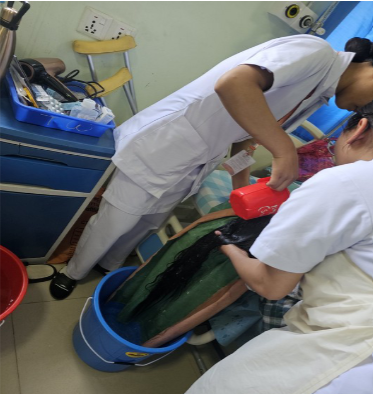
Providing Hair wash to the patient
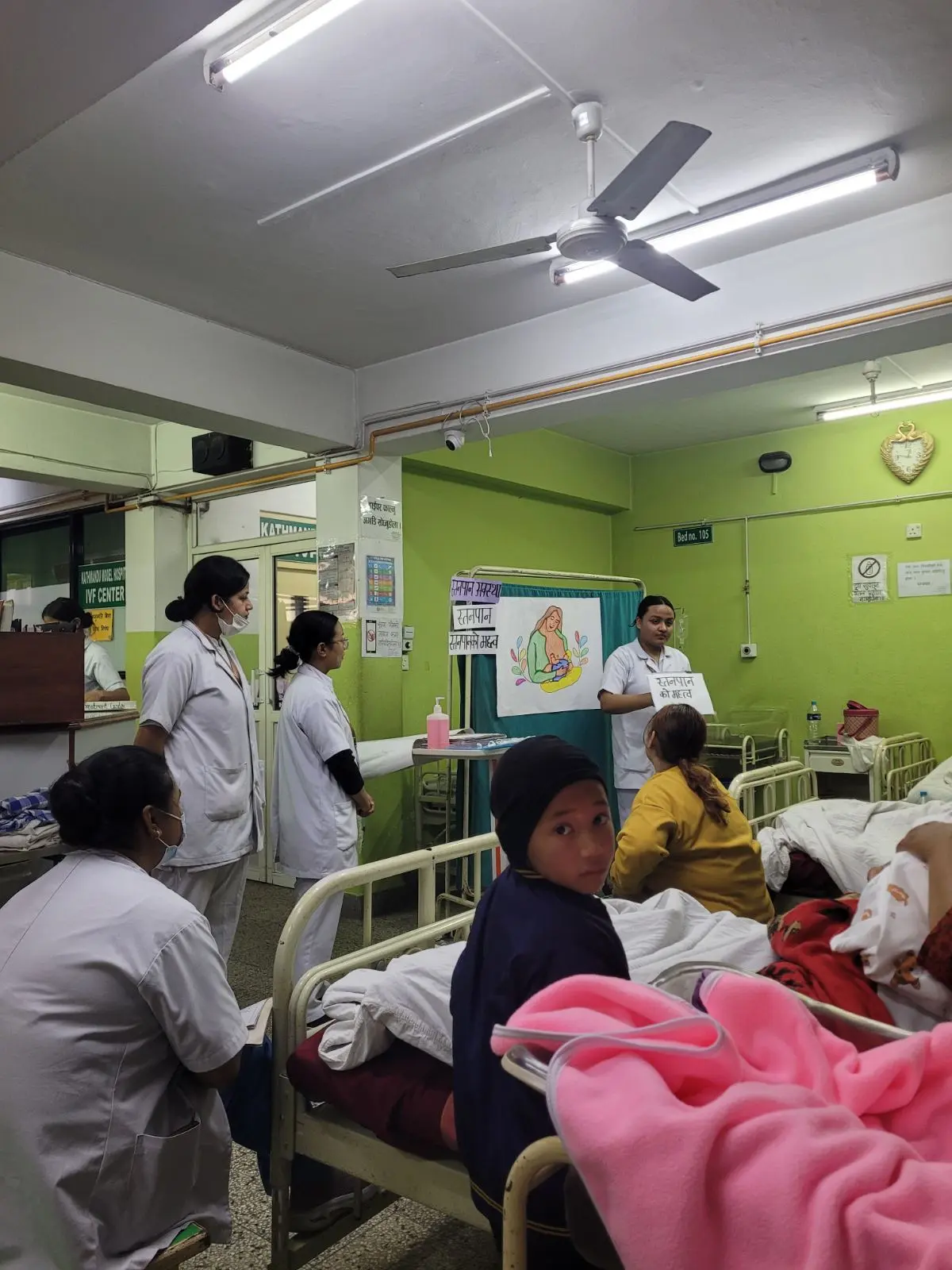
Providing health Education to the patient and visitors:
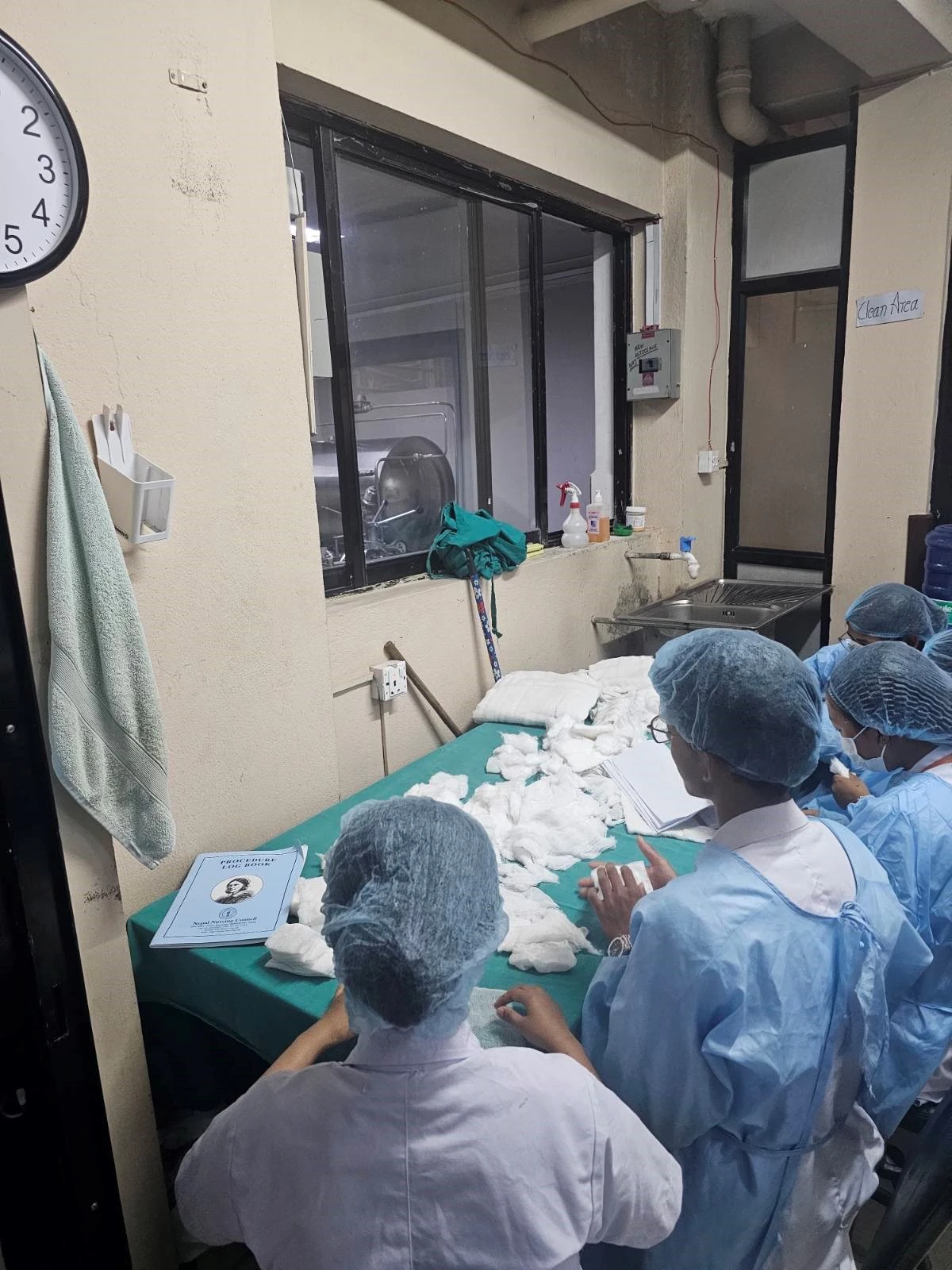
Duty in CSSD
Activities of Community During Community Posting:

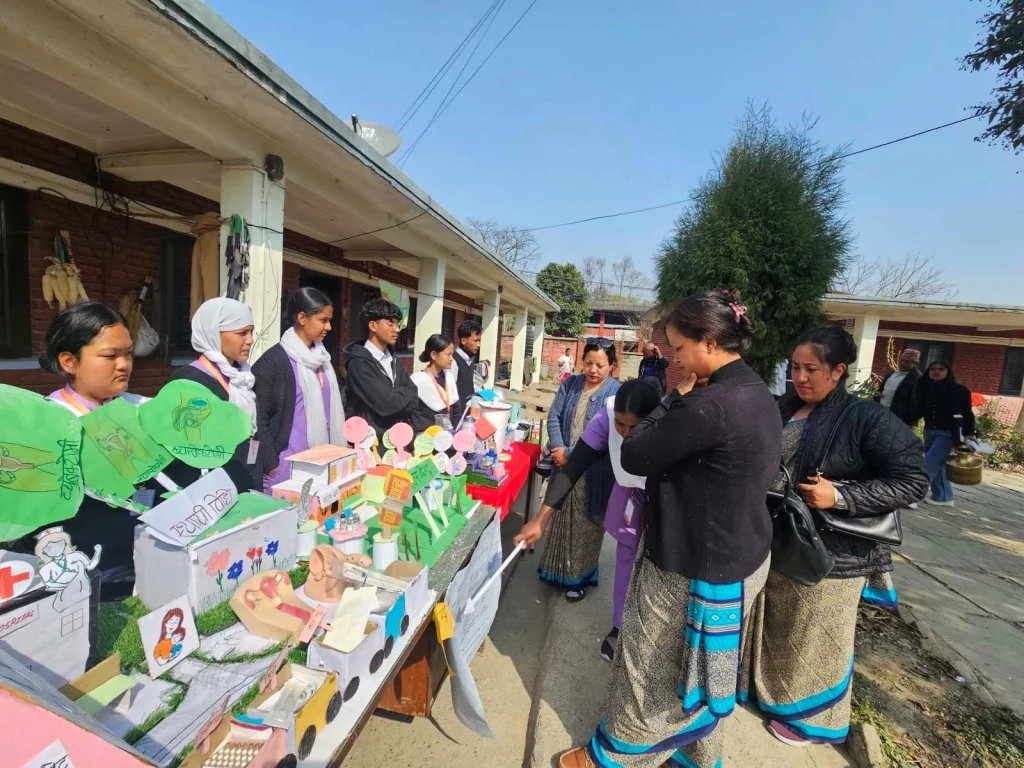
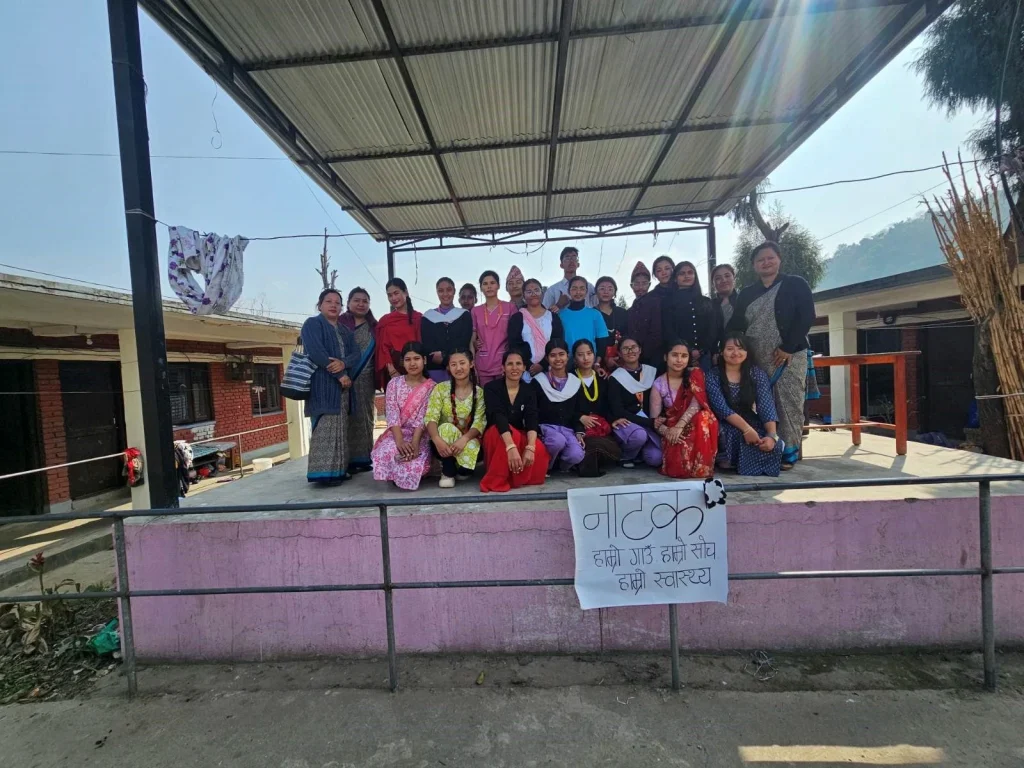
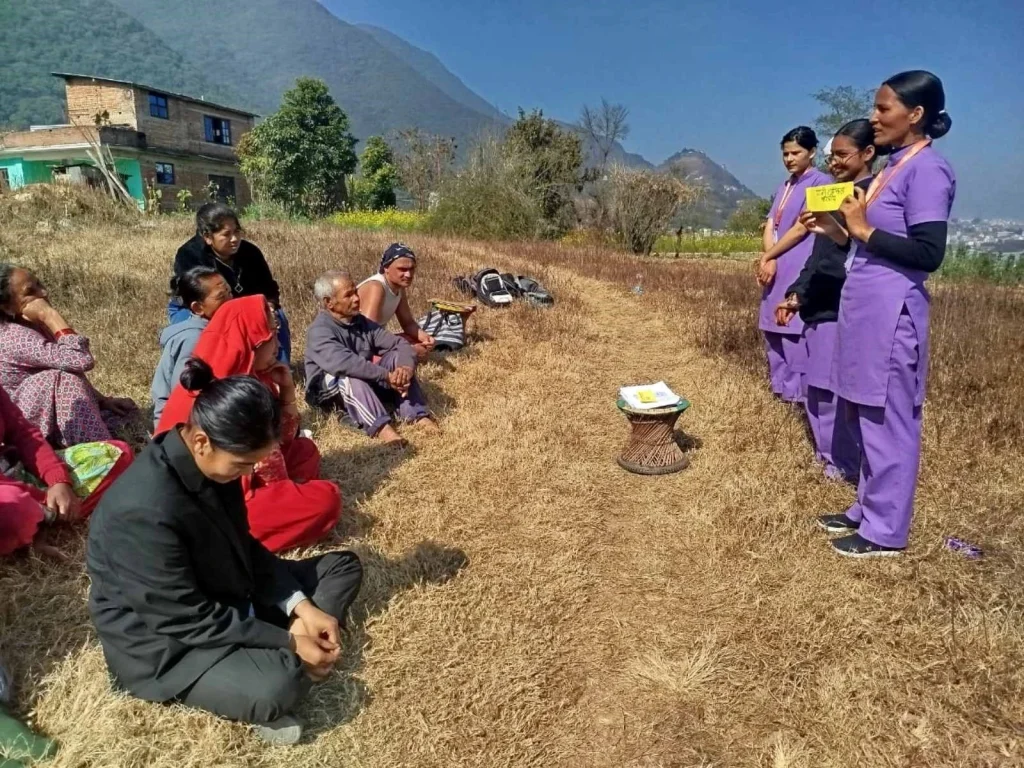

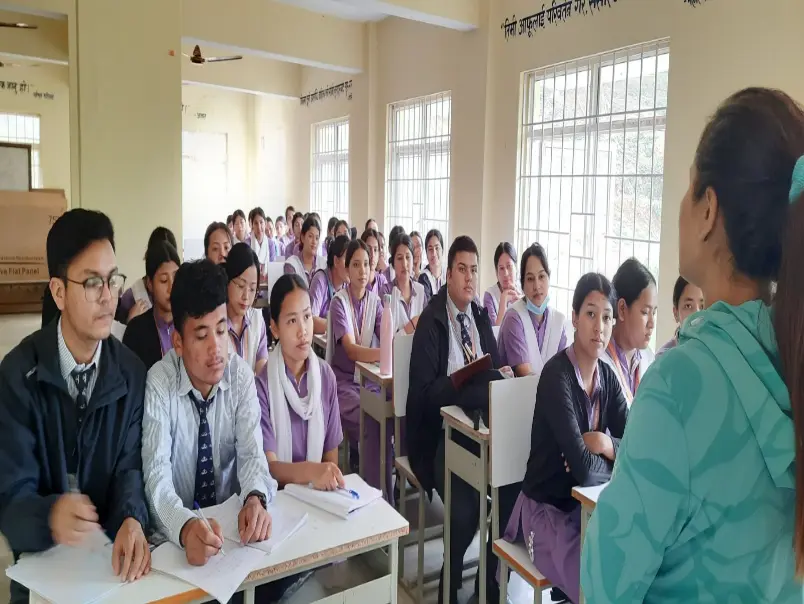
School Health Nursing Activities in local School
Rally of International Nurses Day

VAWG rally participation
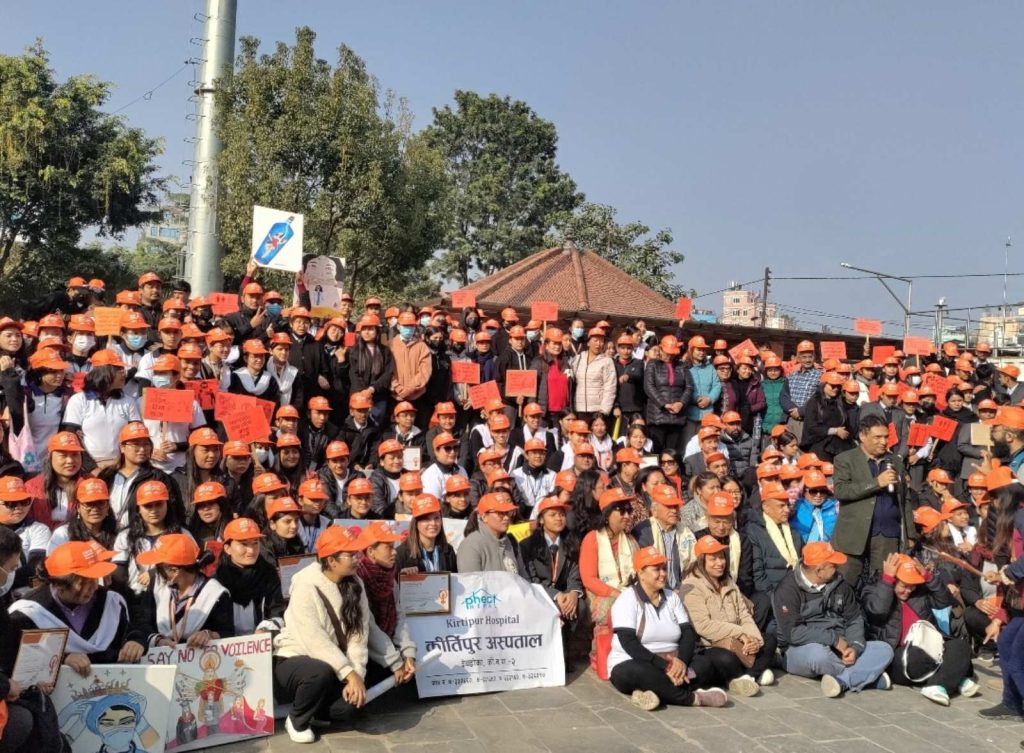
Nurses Day Celebration